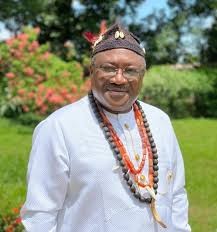
 Randy Joe Sa'ah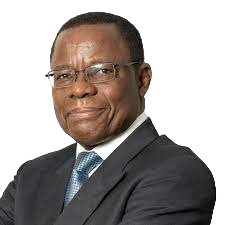
- Opposition Parties React
The electoral landscape for Cameroon’s October 12, 2025, presidential election has been dramatically reshaped, not merely by the official validation of candidates by the National Elections Commission (ELECAM), but by the profound schism opening within the opposition. As some parties celebrate their inclusion and rally supporters, the Cameroon Renaissance Movement (MRC) has unleashed a scathing indictment of ELECAM, labelling the process a “scandalous manipulation” and casting a long shadow of doubt over the fairness of the upcoming contest.
The MRC, through its acting national president Mamadou Mota, did not mince words in its first official reaction to the provisional candidate list. The party vehemently condemned the disqualification of Professor Maurice Kamto, a leading opposition figure, describing it as a deliberate act to suppress democratic alternatives. Mota detailed accusations of a “fabricated pretext” based on “plurality of nomination,” alleging that digital manipulation of government records was employed to fraudulently alter MANIDEM party leadership data, thereby engineering Kamto’s exclusion.
The MRC’s fiery rhetoric, accusing ELECAM of acting as an extension of the ruling CPDM and labelling responsible parties a “gang of usurpers,” reflects the deep-seated distrust in the electoral commission and a galvanizing call for national vigilance and legal recourse through the Constitutional Council. To some critics, this controversy threatens to paralyze the opposition’s collective efforts before the race has truly begun.
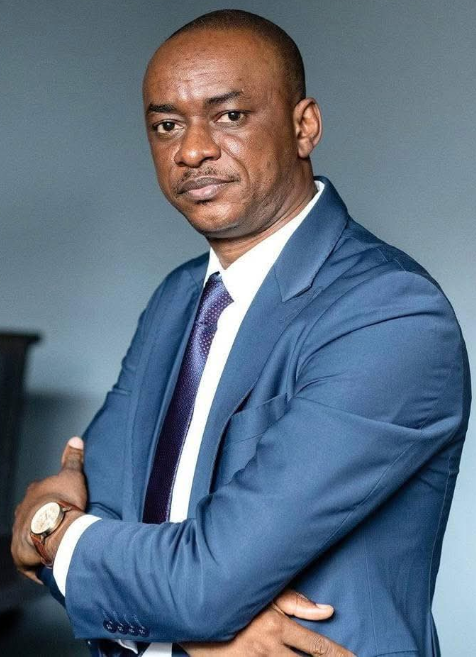
In a contrasting approach, Cabral Libii, leader of the Cameroon Party for National Reconciliation (PCRN), has extended a passionate call for national unity, calm, and courage. Acknowledging the palpable anxieties surrounding a significant political transition after decades under the same leadership, Libii’s statement, titled “N’ayons pas peur” (“Let us not be afraid”), seeks to mitigate fears associated with turning the page on a long-established political order. He stressed that his plan for big change is for everyone. That it aims to help all citizens share in wealth and live with respect, not to attack specific people or groups.
Libii also directed reassuring words towards public servants and state officials, promising protection for their rights and careers, and a focus on enhancing professionalism and meritocracy. Furthermore, he paid tribute to disqualified candidates, extending an olive branch for continued collaboration in the broader fight for a fairer society.
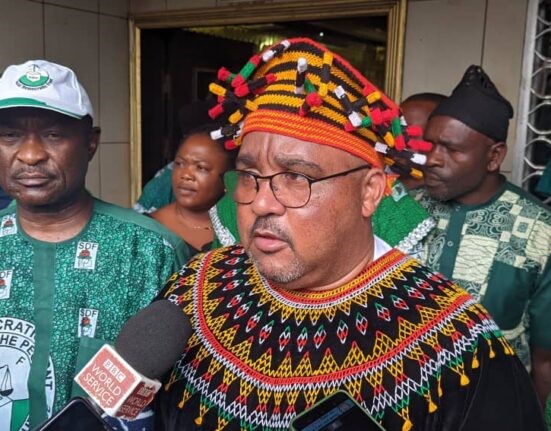
Representing the Social Democratic Front (SDF), presidential candidate Joshua Osih has embraced his validated candidacy with a message of gratitude and a firm commitment to justice, inclusion, and national renewal. Osih frames his participation not merely as a political contest but as a continuation of a long-standing struggle for a better Cameroon, carrying the nation’s “wounds, its hopes, and its unbreakable spirit.” He says his platform is deeply rooted in addressing the everyday struggles of ordinary Cameroonians – the plight of unemployed youth, overburdened mothers, neglected farmers, and teachers working under challenging conditions.
He also specifically addressed the Anglophone population, acknowledging their pain from decades of marginalization and broken promises, urging a shift towards democratic engagement.
LAST LINE
The fairness in the election is now in serious doubt, with a major candidate was removed, and are claims of ELECAM cheating digitally. Many believe this situation should unite the opposition to demand a truly honest election. Others suggest that it could split the opposition, and help the current government win. Whilst the constitutional council begins examining petitions and people decide what to believe, it’s vital that the opposition stays united and focused. This will determine if Cameroon gets real democratic change or stays stuck with its old political system.