
 Randy Joe Sa'ah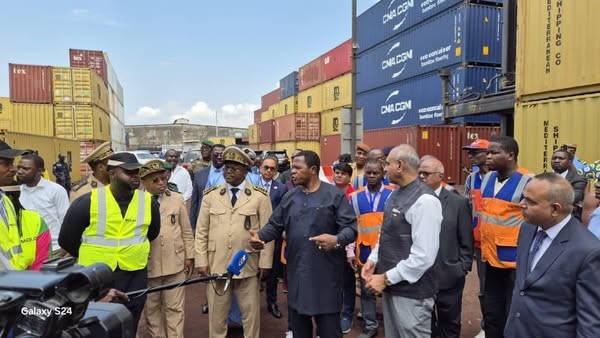
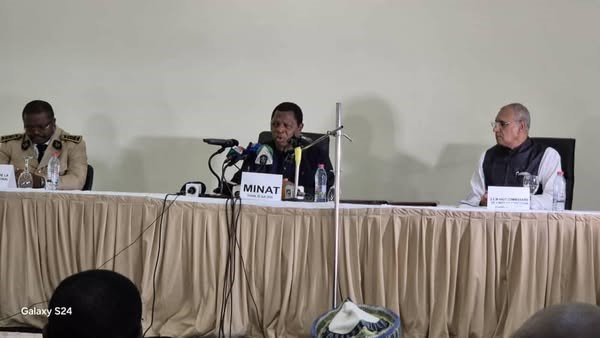
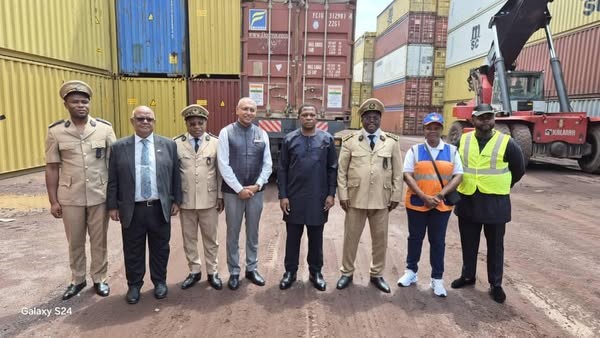
DOUALA, CAMEROON – A donation of 1000 tons of rice, essential medicines, and relief supplies from the Indian government arrived in Cameroon today, destined for flood victims in the Far North region. The official reception ceremony, presided over by Minister of Territorial Administration Paul Atanga Nji, saw Indian High Commissioner Shri Vijay Khanduja characterize the aid as a “modest but sincere expression of compassion.” While the immediate assistance is undoubtedly welcome, questions remain about the long-term strategy for addressing the recurring and increasingly severe flooding in the region.
The Far North region of Cameroon has been disproportionately affected by recent climate events, leading to displacement, food insecurity, and increased health risks. While expressions of international solidarity are appreciated, critics argue that a reliance on emergency aid does little to address the underlying vulnerabilities that exacerbate the impact of these disasters.
“Donations of rice and medicine are vital in the immediate aftermath,” said Dr. Amina Lawan, a local development expert based in Maroua, “but what about investments in flood defenses, improved drainage systems, and sustainable agricultural practices that can build resilience in the long run? We need to move beyond a cycle of disaster and aid.”
Furthermore, concerns have been raised regarding the distribution of aid. Transparency and accountability will be crucial to ensure that the supplies reach those who need them most, and that the process is free from corruption or political manipulation. Civil society organizations are calling for independent monitoring of the distribution process to guarantee fairness and efficiency.
The Indian government’s contribution is a gesture of goodwill, but it also throws into sharp relief the urgent need for a comprehensive and sustainable approach to disaster management in Cameroon’s Far North region. This includes not only immediate relief but also long-term investments in infrastructure, climate adaptation strategies, and good governance to protect vulnerable communities from future crises. Many have greeted the inspection of the shipments at the port of Douala as a necessary first step. But to many more, the real test will be whether this aid translates into meaningful and lasting improvements in the lives of those affected by the floods.


Hi, this is a comment.
To get started with moderating, editing, and deleting comments, please visit the Comments screen in the dashboard.
Commenter avatars come from Gravatar.