 Randy Joe Sa'ah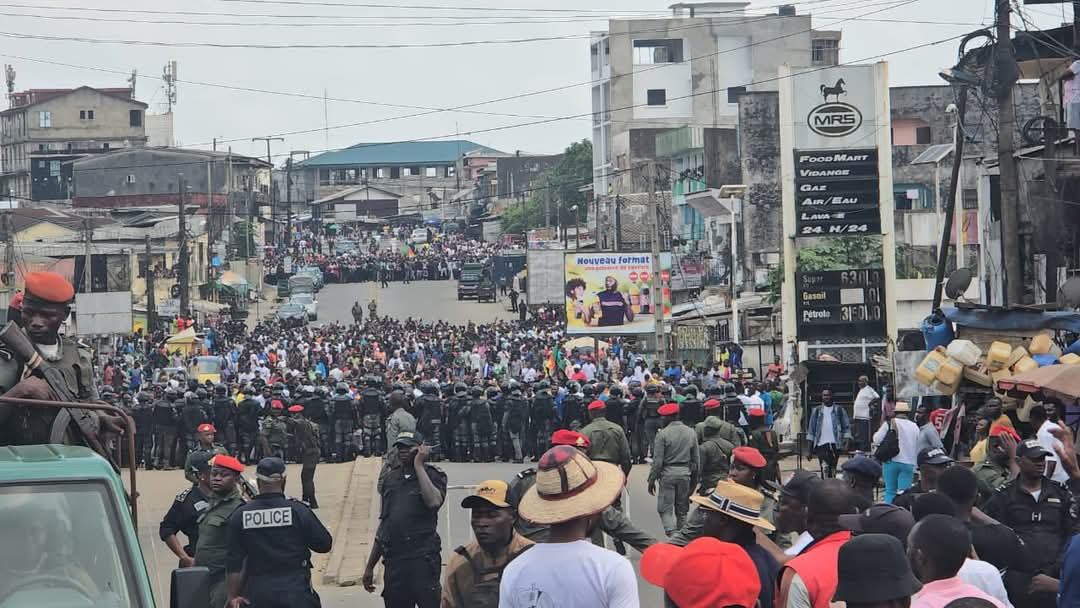
Gov’t’s Unjust Scale
Douala exploded this past weekend as thousands poured onto its streets, defying administrative bans and daring gun-toting soldiers. They stormed their regional party headquarters, singing protest songs in a direct challenge to President Paul Biya’s long rule. Yet, in a stark, unsettling twist, not a single shot was fired. No one was killed, no maiming, no mass arrests, no atrocities against civilians reported. The MRC leader, despite house arrest, even addressed the public, inadvertently amplified by the very bans meant to silence him. This curious display of state restraint, however, casts a chilling shadow, particularly when contrasted with the tragic, bloody outcomes of similar, often more peaceful, protests in the country’s Anglophone regions, where a different, far more brutal script has historically unfolded.
Anglophones themselves offer a distressing analysis when reflecting on the tragic beginnings of the Anglophone crisis. “Imagine that this protest happened in Kumba, Bamenda, Wum, or Buea! We would still be counting deaths and running into bushes now,” lamented one man, displaced to Yaoundé by the Anglophone crisis, whose identity is being withheld for his safety.
Indeed, in September 2017, jubilant crowds carrying green peace leaves, marching peacefully in song and dance, were met with military firepower. Many lost their lives. More were arrested, some “deported” to faraway Yaoundé and charged with subversion and terrorism. Such tactics have been a consistent pattern for decades. While Douala’s recent display of unlikely state restraint is attracting congratulatory comments, to some critics, the brutal crackdowns elsewhere paint a stark picture of selective state responses – a calculated approach that speaks volumes without a single word of explanation. This is a practice the government must be seen to avoid if its campaign for “Living Together” is to be taken seriously.
Cont’d on Page 4